Your Chatbot Is Only as Good as Your Database
Aug 18, 2026

August 6, 2026
TL;DR
Your destination probably already publishes road trip content: "the ultimate road trip through wine country," "a weekend drive along the coast." Good. That content can rank and it can pull the right visitor in. The problem is what happens next. They read it, they get inspired, and then they leave to actually plan the route somewhere else, because your page gave them nothing to build with. The gap isn't the content. It's the missing step between reading about the drive and building it.
I've spent 15 years building technology for tourism destinations, and this is one of the most common patterns I see. A destination does the hard part well. They write a genuinely good guide to a drive through their region, with the real stops and the local knowledge nobody else has. It ranks. A traveler finds it, reads it, gets excited.
And then the page ends.
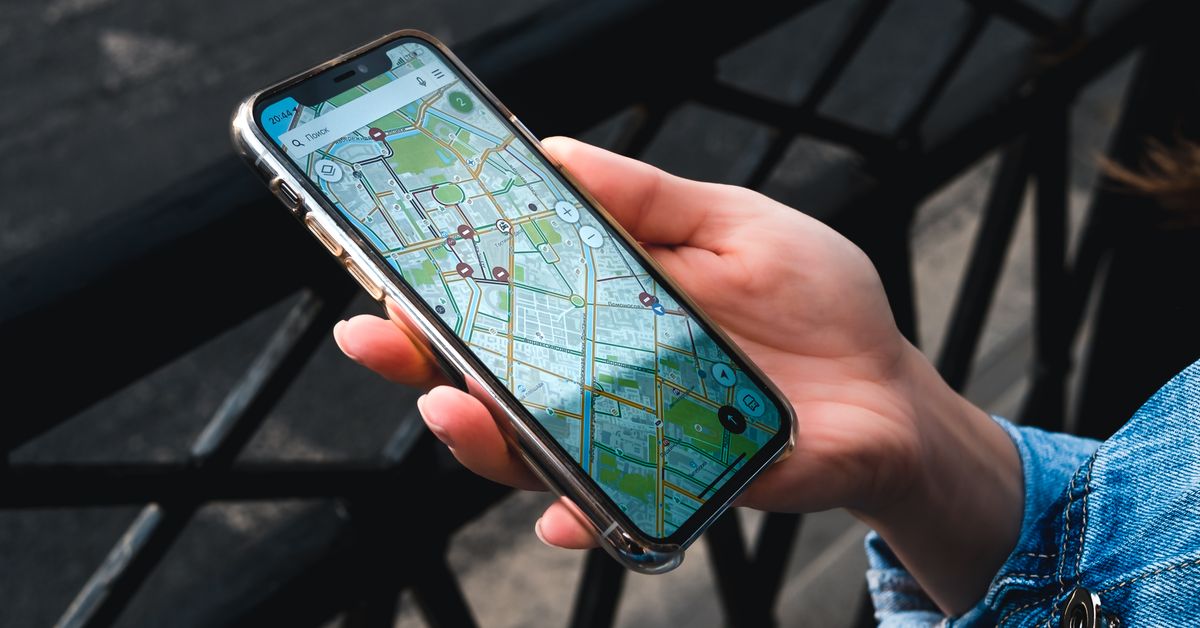
There's a list of attractions and maybe a static map. But there's no way for that traveler to take "here are twelve great stops" and turn it into "here's my actual route, in order, for my three days, that I can follow on my phone." So they open a new tab. Wanderlog, Google Maps, ChatGPT. They rebuild your region's road trip themselves, out of scraps, in someone else's tool.
Your destination did the work to inspire the trip. Then handed the actual planning to a platform you don't own.
This isn't a "write better content" argument. Destinations are already writing the content, and a lot of it is good. The failure comes after the reading.
Think about what a road trip actually is: a sequence of stops in a specific order, shaped around how many days you have and what you care about seeing. A blog post can describe that. It can't let you build it. And a road trip is the trip type where that gap hurts most, because the whole thing IS the route. Inspiration without a way to sequence it is only half of what the traveler came for.
So the traveler leaves to do the half you didn't give them. And here's the part that stings: the moment they leave, you lose sight of them completely. You'll never know which stops they kept, how long they stayed, or whether they even finished planning.
You wrote the guide that got them excited. Then you sent them to a competitor's tool to actually use it.
The fix isn't more words. It's giving the reader somewhere to build the trip the moment the content makes them want to.
Turn the guide into something buildable. With trippl, a destination can pre-load the actual route behind the content: the real stops, in a sensible order, with the local knowledge already in it. Instead of ending a road trip post with a list and a map, it ends with a route the visitor can open and start using.
Let the visitor make it theirs. A road trip is personal. The visitor should be able to take your route and adjust it: swap a stop, add a detour, stretch two days into three, drop what doesn't fit. They start from your destination's expertise instead of a blank page in someone else's app, but they end up with a plan that fits their actual trip.
Keep the whole thing on your site. When the reading and the building happen in the same place, the visitor never has to leave, and you never lose the thread. You see which routes get opened, which stops get kept, how far people get. The same interaction that helps the visitor plan is the one that finally tells you what they're planning.
Right now, destinations using trippl can build and share these routes, and visitors can open one and customize it or build their own from scratch. Consumer-to-consumer sharing (a traveler passing their finished route to the friends riding along) is coming soon, and road trips are exactly where it'll matter most, because road trips are rarely planned by one person for themselves. They're planned by one person for a car full of people who all want a say in the stops.
Pull up the last road trip guide your destination published. Read it the way a visitor would, then ask the honest question: when they finished reading and wanted to actually plan the drive, where did they go to do it? If the answer is "somewhere that isn't your site," that's the gap. The content already did its job. Give it somewhere to lead.
Travel safe, Shelley
Photo by Fernando Reyes on Pexels