Your Chatbot Is Only as Good as Your Database
Aug 18, 2026

July 27, 2026
TL;DR
I've heard this same complaint from DMO after DMO in customer discovery conversations: the itinerary tool they're paying for either caps how many itineraries they can build, or worse, makes them submit a request and wait for the vendor to build it for them. That's not a visitor experience platform. That's a ticketing queue with a map attached. A destination should be able to publish as many itineraries as its team can dream up, the moment they think of them, and its visitors should be able to click through, see something beautiful, and reshape it into their own trip in seconds.
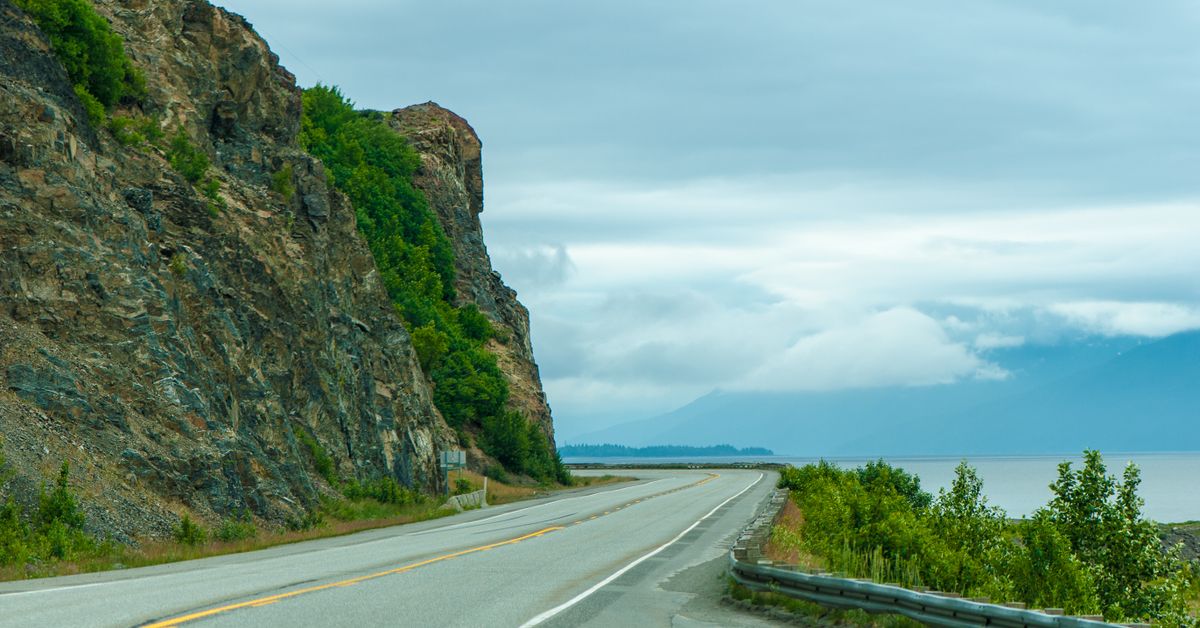
I've sat across the table from destination marketers who wanted to launch a new seasonal itinerary, "Best Fall Foliage Drives" or "Weekend in Wine Country," and got told by their existing vendor that it would take two weeks and an extra line item to build it. Two weeks. For a page that's really just a curated list of stops on a map.
That's the visitor experience most DMOs are stuck offering, whether they realize it or not.
Talk to enough DMOs and a pattern emerges fast. It's rarely "we don't want to do itineraries." It's almost always some version of: "we can't build them ourselves, and even if we could, we're capped on how many we're allowed to have."
That's a strange limitation to accept in 2026. A destination's marketing team knows exactly what makes their region special. They know the fall drive nobody else is talking about. They know the three-day weekend that actually works logistically. What they don't have is a tool that lets them turn that knowledge into something a visitor can actually use, without going through a vendor's build queue first.
Your marketing team should never have to wait on engineering to publish an idea.
This is where "visitor experience" gets treated as a vague, feel-good phrase instead of something with real product requirements. It isn't vague. It comes down to a short list of things that either work or don't:
Most DMO tools fail at least two of these. Some fail all four.
With trippl, DMOs create unlimited itineraries. Not a package tier. Not a quota that resets the conversation every renewal cycle. If a destination's team wants to publish twelve seasonal itineraries this month because that's how many good ideas they had, they publish twelve.
And the sharing has to actually match how people communicate today. A trippl itinerary is meant to move through a social media caption, a QR code on a printed brochure at the visitor centre, or a link dropped straight into a text thread. Someone receives it, clicks through, and sees a real itinerary on a real map, not a PDF that renders wrong on a phone. Then they can reshape it into their own version of the trip: swap a stop for something closer to where they're staying, stretch a two-day plan into three, drop what doesn't interest them.
Consumers can build their own itineraries the same unlimited way DMOs do. What's coming very soon is giving consumers that same one-click sharing ability DMOs already have today, so a visitor who builds a great trip can hand it to a friend as easily as a DMO hands a curated one to a visitor.
Here's an example that Destination Niagara Falls built: Wineries Tour. Click it. Save it. Rework it. Make it yours.
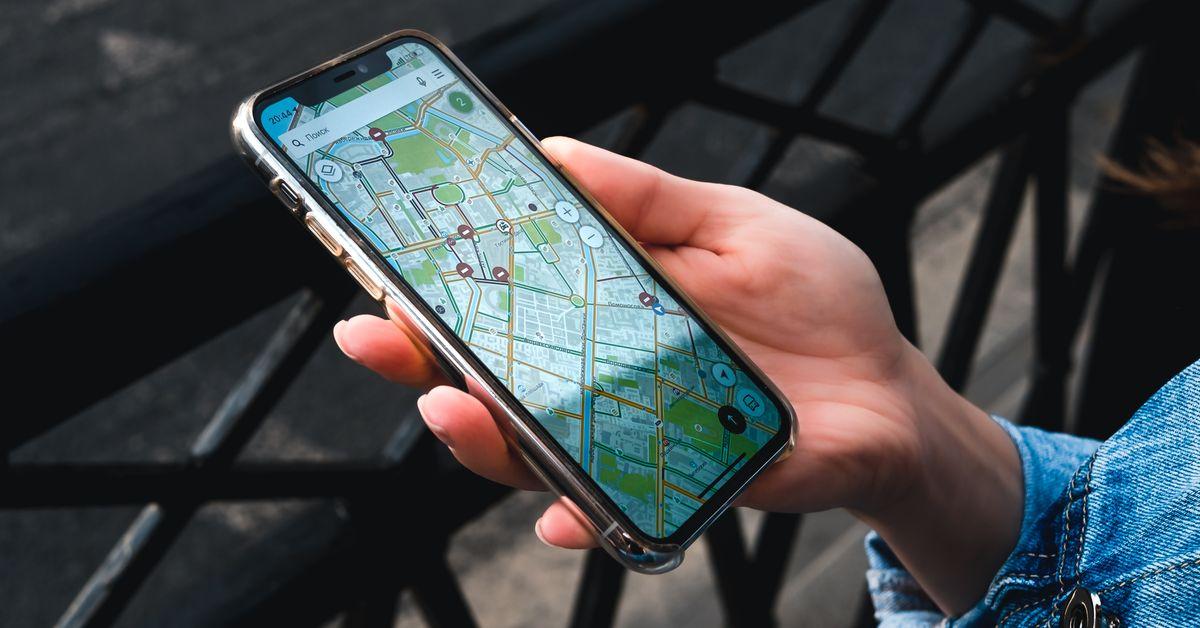
Almost nobody researching a fall foliage drive is doing it at a desktop. They're doing it on a phone, often the same phone that just received the QR code scan or the shared link from a friend. If the itinerary that opens on that screen is clunky, slow, or obviously built for a bigger screen and just squeezed down, the visitor experience is already broken before they've even looked at a single stop.
We build trippl mobile-first, because this is where the actual moment of decision happens. Someone scans a QR code at a visitor centre or taps a link a friend sent them, and what they see in that first few seconds either makes them want to explore the plan or makes them close the tab. A beautiful, fast, easy-to-modify itinerary on mobile is the visitor experience. Everything else is infrastructure underneath it.
Here's what I've noticed talking to DMOs about this: most of them are thinking about this purely as a marketing capability. Beautiful, shareable itineraries that make the destination look good and get passed around. That's a completely valid reason to want this, and it's usually the reason that gets a DMO in the door.
But every one of those itinerary interactions, someone opening a shared plan, modifying a stop, saving it for later, is also a first-party data point the DMO now owns. Most DMOs don't have the ability to capture any of that today, because their current tools don't give visitors anything to interact with beyond a static page. If they did have that ability, they'd be able to see which itineraries actually get opened, which stops get kept versus swapped out, and which shared links convert into a saved plan. The marketing win and the data win come from the exact same feature. Most DMOs are only cashing in on one of them right now.
Look at the last itinerary your destination wanted to publish. How long did it take from idea to live page? If the honest answer involves the word "vendor" or "ticket" or "next sprint," that's the visitor experience gap. Fixing it isn't about adding another feature to an existing stack. It's about giving your team a tool that publishes as fast as they can think of good ideas, and giving your visitors something worth clicking through on the phone in their hand.
Travel safe, Shelley
Photo by cottonbro studio on Pexels